

These photos capture a journey from the bus stop to the silver gate. They use different photography techniques like depth of field and ones taken on an angle.
Continue reading “Journey from bus stop to the silver gate”
Category: Uncategorized
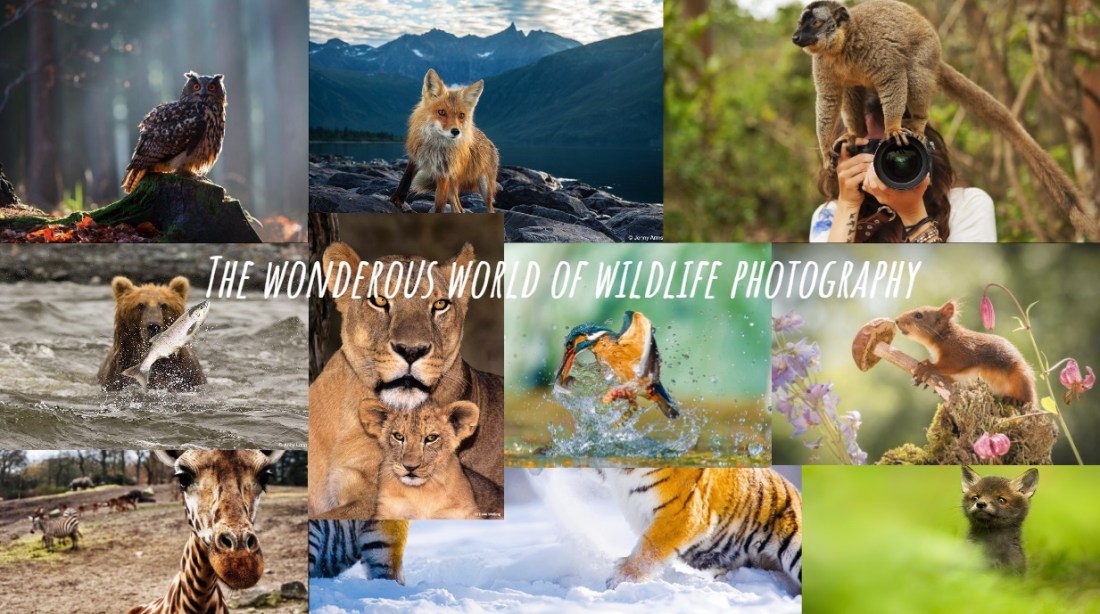
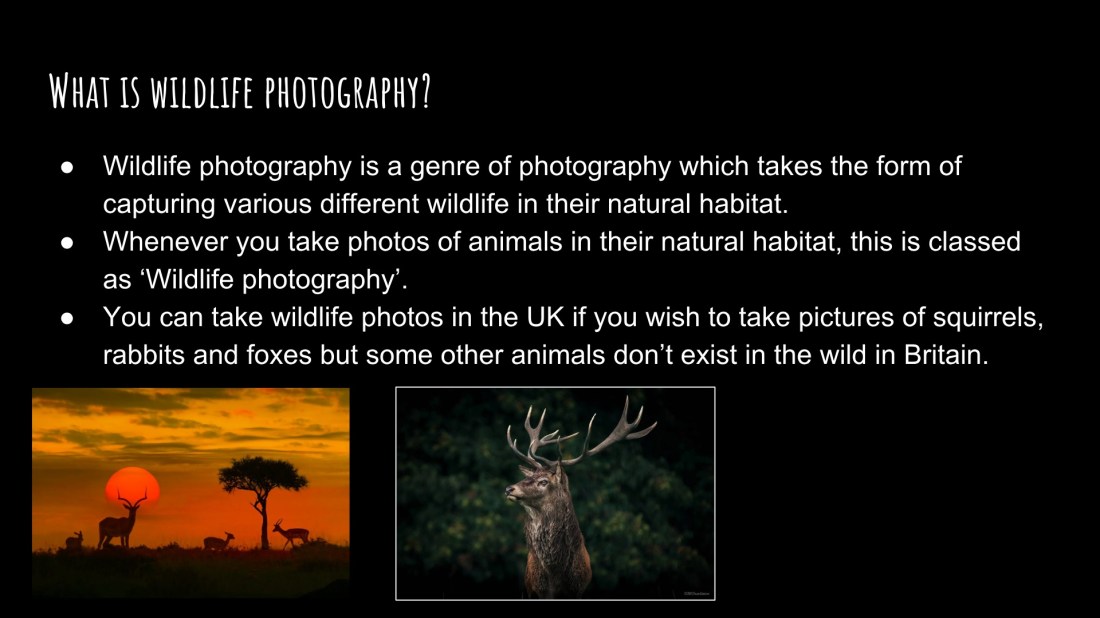
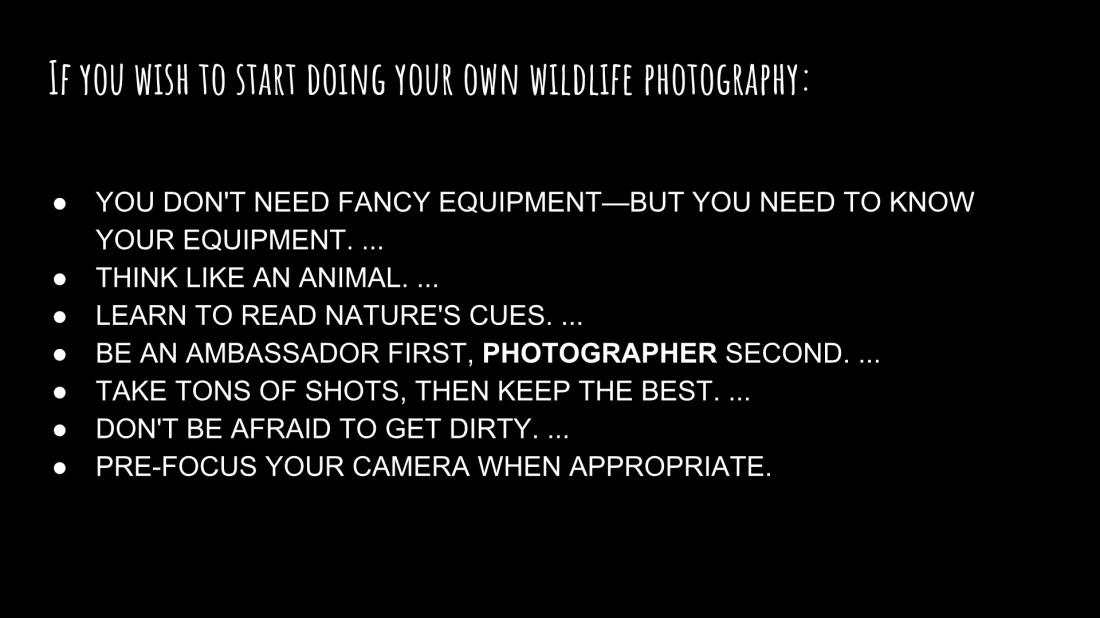
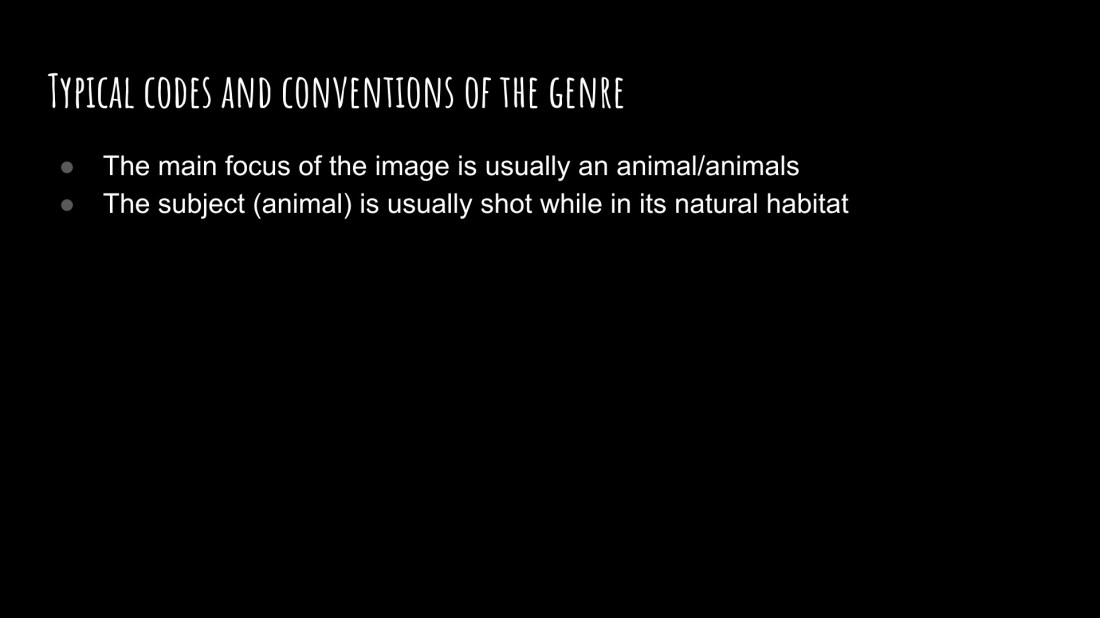
Presentation on Wildlife photography
I worked on a Presentation with one of the other students. It had to be on a specific genre of photography and we focussed our’s on wildlife photography. See it below.

Inspiring Photographer
There is a photographer from North Wales called Timothy Harman. I really do like a lot of his work because he has such an eye for photography. He’s able to capture the most beautiful views through his photography. I find his work very inspiring. You can see some examples of his work below.
You can view his website here .


Trip to Liverpool
In October, my class and I went to Liverpool to practice our Photography techniques. Below are some of the photos I too


Hypodermic needle theory presentation
Here is a Presentation my group and I did today about the ‘hypodermic needle theory’.
https://docs.google.com/presentation/d/1aqBqBwlJE8dhluZBwkpcbRjvSHlp1qSm2lX0nkFkkm8/edit#slide=id.p
Methods of planning
Today we learned about different methods of planning when it comes to film making. For example – we learned about risks and hazards. To take risks into consideration.
Risk Matrix
| Severity | ||||
| Minor | Major | Severe | ||
| Likelihood | Unlikely | Low | Low | Medium |
| Possible | Low | Medium | High | |
| Likely | Medium | High | High | |
It is very important when making a film to think ahead of where your location is and think about the potential risks and hazards.
Risk Assessment template example
| Name: | Date: | ||
| Position: | Health and Safety Rep | Venue/s: | |
| Organization: | Contact Info: |
| Hazards
List what could cause harm from this activity |
Who’s exposed
List who/what could be harmed from this activity (including equipment) |
Level of Risk
For each hazard, decide level of risk (use grid) |
Control measures
For each hazard, list the measures we will be taking to minimise the risk identified |
Residual risk
For each hazard, decide level of risk if we were to do the activity with the controls measures |
Signed and dated
For each hazard, check the control measures are in place |
Location Recce Sheet
Basic Information |
|
| Production title and scene: | Make the right decision : Drinking montage |
| Production company: | Anti drink drive UK |
| Proposed dates to film: | 17th November – 21st November 2015 |
| Name of location and address: | Rendezvous, Grove Park, Wrexham, LL12 7AB |
| Distance from unit base: | on campus |
Limitations |
Comments |
| Lighting Level: | We took a lillypad light from the TV studio to light up the Bar scene |
| Noise Level: | There wasn’t really much noise on the set and when we went back to check on the video we could only hear our voices. |
| Risks | Comments |
| Potential Hazards: | Some one could have fell over the wire of the light we had brought with us, so we brought duck tape so it would reduce the chance of the accident occurring |
| Additional Comments: |
Basic Information |
|
| Production title and scene: | Make the right decision : Drinking montage |
| Production company: | Anti drink drive UK |
| Proposed dates to film: | 17th November – 21st November 2015 |
| Name of location and address: | Rendezvous, Grove Park, Wrexham, LL12 7AB |
| Distance from unit base: | on campus |
Limitations |
Comments |
| Lighting Level: | We took a lillypad light from the TV studio to light up the Bar scene |
| Noise Level: | There wasn’t really much noise on the set and when we went back to check on the video we could only hear our voices. |
| Risks | Comments |
| Potential Hazards: | Some one could have fell over the wire of the light we had brought with us, so we brought duck tape so it would reduce the chance of the accident occurring |
| Additional Comments: |
We were taught about the importance of story boards.
Storyboards
| Shot
12 |
Edit in | Edit out | Dur: | Shot
13 |
Edit in | Edit out | Dur: | Shot
14 |
Edit in | Edit out | Dur: |
| INT DAY | cut | cut | 5 sec | INT DAY | cut | wipe | 2 sec | INT DAY | wipe | cut | 2 sec |
| Action | Start with Si rapping in front of wall | Action | Si progresses walking through car park | Action | rapping while sitting on stairs | ||||||
| Camera | Mid shot | Camera | long shot | Camera | low angle shot | ||||||
| Sound | We outlawed then I bogart, any pros that got ‘proached at | Sound | With a toe-tag, get broke off, | Sound | in the projects with a skateboard | ||||||
| Shot
15 |
Edit in | Edit out | Dur: | Shot
16 |
Edit in | Edit out | Dur: | Shot
17 |
Edit in | Edit out | Dur: |
| INT DAY | cut | cut | 2 secs | INT DAY | cut | fade | 3 secs | INT DAY | fade | cut | 3 secs |
| Action | rapping to camera in tv studio | Action | progressing upstairs | Action | walking through another level | ||||||
| Camera | mid close up | Camera | low angle shot | Camera | two shot | ||||||
| Sound | I roll past and I blaze y’all like, “DOO DOO!” | Sound | hate y’all When the beef cooked,I ate y’all like, “Mmm mmm,” | Sound | Let’s play ball in a ballpark with all sharks and a blindfold | ||||||
Budget Sheet
| Budget Sheet | Ruff Cut Productions | |||
| PERSONNEL | COST PER DAY | NUMBER OF DAYS | TOTAL | |
| Producer | ||||
| Director | ||||
| Camera Person | ||||
| On Set Photographer | ||||
| Light Technician | ||||
| Runner | ||||
| Editor | ||||
| TALENT | COST PER DAY | NUMBER OF DAYS | TOTAL | |
| Actor 1 – | ||||
| Extras x 5 | ||||
| EQUIPMENT | COST PER DAY | NUMBER OF DAYS | TOTAL | |
| Film Camera | ||||
| Photography Camera | ||||
| Tripod | ||||
| Sound | ||||
| Lighting | ||||
| Editing Software | ||||
| CONSUMABLES | COST PER DAY | NUMBER OF DAYS | TOTAL | |
| Spare Camera Batteries | ||||
| Gaffer Tape | ||||
| Spare Camera Lenses | ||||
| Extension Leads | ||||
| CATERING | COST PER DAY | NUMBER OF DAYS | TOTAL | |
| Food, tea, coffee, bottled water | ||||
Pitch Presentations
The other day we all gave Presentations on Google Slides about our pitch ideas. Everybody was put into groups and all came up with ideas for a pitch. The idea is that some of the the tutors will discuss the ideas and agree on the best ones. My pitch idea was a comedy sketch that raises awareness of autism. I’ve had the idea for the sketch for a year and seven months now but haven’t had the opportunity to execute it. I hope this will be my chance. You can read the script for the sketch on my own website through this link.
I will say that there were quite a few pitch ideas that were interesting to see and I look forward to seeing which pitch will end up being chosen in the final decision.
I showed a few other sketches on YouTube that had similar ideas to what I wanted to portray. One of them was the Cookie Monster in the library sketch from Sesame Street. The sketch features the librarian getting more and more frustrated as well as angry with the cookie monster the more and more he misunderstands him. I hope to use a similar approach in my film. You can watch this sketch below.
I also showed a sketch about Asperger Syndrome that was adapted by Fixers UK. This had the approach of the protagonist Jerry frequently misunderstanding language and taking things literally. You can watch this below.
Photos of Cemetery and depth of field
Today we learned about two different forms of photography including both Cemetery photography and depth of field photography. Photos with Cemetery have the focussed object directly in the centre of the image so everything is completely symmetrical. Depth of field images are different in the sense that they’re taken more from a distance and have more things included in the image.
Below are four examples of cemetery photos that I took today.


Below are another four photos but these ones are examples of depth of field photography.


Work on chocolate buttons advert
Today my group and I worked on an advert for chocolate buttons. Last week, we worked on a script for the advert and the storyboard. Today, we finally got into action. We started recording the different shots with different camera angles. We all went into different locations. We had someone be filmed in the shop, another in the canteen, another in the classroom and another on the bench. They were all shots of the buttons and some shots of them being eaten.
Now it’s in the process of being edited. Transitions were added. We hope that the end will include all the shots in one frame. We’re still unsure of what soundtrack to use for the advert. We’ve had a few ideas. For example – certain songs from ‘Willy Wonka and the chocolate factory’.
Three film roles
Camera Operator
When shooting a film, the camera operator is responsible for operating the camera, recording the scenes and the actors’ lines that will be used in the film. They record using various different camera angles. They will probably be part of a crew of camera people who will all help to do the recording because when you watch a film, they’re always filmed from various different unique camera angles including wide-angle shots, ‘over the shoulder shots’, mid-shots, close-up shots and many others. A camera operator will be responsible for setting up all the necessary equipment for the recording. Things like tripods, lighting, cables, leads and headphones are all essential tools for their job.
The camera operator also does a lot of work with the director, the director of photography and the actors. He especially has to have a good relationships with the actors and director. He will collaborate with them to help make technical and creative decisions about the film. The director will discuss his vision with the camera operator so that he can think about how best to execute the shot and the desired effect. The director often has a good idea of what camera and what lens best fits the shots that capture his vision, but the reverse is also true and they may rely on the ideas of the camera operator.
When actors are doing their takes, the director may not always be around when shots are being filmed so the actors might look to the camera operator for approval but operators aren’t really allowed to give actors any instructions or direction because that isn’t their job. They’re only meant to record the takes. If an actor or a director wishes to re-do the take that has to be between the actor and the director. The camera operator has no authority to get involved. However, there are some important things to happen between the director and the camera operator. It’s important for the actors to feel comfortable and welcome by camera operators. That they’re being looked after and their best interests are served. It’s important for the camera operator to be emotionally involved on the visual side because this will make him more likely to put their heart, soul and passion into their work to get the best shots possible.
If you pay attention to scenes in film, there can be some very interesting shots and camera angles that are taken for the film. For example:
This scene in Lord of the Rings: The Two Towers when Gollum is in extreme conflict: the camera angles are always changing. For example: when the scene first starts with Gollum arguing with himself: you can see the camera move as each side to Gollum speaks. The camera movements really add to the believability of Gollum’s conflict. Eventually this approach changes and the camera actually goes in a completely different angle.
Editor
The role of the editor is to take all of the footage that was recorded for the film and turn it into a story. They will get rid of the scenes that add little to nothing to the plot and only keep the most essential parts of the footage. They will edit the footage with all the different angles and use all the best takes. They will also take the soundtracks that were recorded for the film and add those to the most appropriate and fitting scenes. Editing is one of the most important roles in the whole film industry. Video editing is the key to help us as the audience to emotionally connect to the characters. They will also work closely with the sound editor to find the best ways to combine sound with sight. This would likely mean they’d have to do some work with the camera operator as well because they work on the visual aspects of the film. They also have the rather important task of capturing the director’s vision of the film and how they want it to look, sound and feel.
There are some very important things that an editor needs. They need to have a good sense of timing and visual awareness, a great balance of practical skills and more creative skills. One very important quality in an editor is to have a fantastic attention to detail. This is important because it’s important for the editor to spot mistakes and try to fix them through editing.
An editor also needs to be able to work under pressure and meet deadlines even when they’re very tight. I know that not everyone wouldn’t be able to do a good job when under so much pressure. Editors also have to be wizards with technology and IT skills and have the necessary patience needed for the role. It’s important that their aim is just to do the best to help their editing to capture the director’s true vision.
Many people have thought that an animated film doesn’t need any editing since the only animated scenes that are typically used are those that end up in the film. However, this actually isn’t the case at all. They actually do need editing, but in a rather different way from live action films. With live action films, the footage is recorded then it gets edited. With animation, editing tends to begin right from the start of the film being animated. With animated films, the editors are highly involved in the work of the film before it even gets animated. They work a lot with the writer and director of the animated film and help come up with ideas to storyboards to rough drafts of the animation. Unlike with live action films, they’re not simply cutting down footage, they’re helping to create it in the first place. In the case of some animated films, the editor is often hired right from the beginning: sometimes even before the director. Even among animation: the editor’s role is still one of the
most important in the industry.
Screenwriter
The screenwriter’s job write the script of a film, TV show or video game. Screenwriters have to have a very active imagination and creative skill for storytelling. Screenwriters have to produce highly creative writing, to very strict deadlines. They have a script that they work with. They also have a full team to create a finished Sometimes the producer will bring in an additional Screenwriter to improve certain aspects of the already existing screenplay. The screenwriter has to do important things like building characters and character development, writing dialogue and working on an interesting and engaging plot that grabs the audience’s interest are all part of the screenwriter’s job.
It is highly possible that the script will change even after the screenwriter is done with it. It’s possible the director might tweak it just a little bit and it’s even possible for the actors to change their lines while being filmed. One example of this is when Harrison Ford was being recorded for The Empire Strikes Back. When Leia said she loved him, the original dialogue was “I love you too” but Harrison Ford changed it to “I know” because he felt it was much more in character for Han Solo. This definitely shows how what’s in the original script doesn’t always make it into the final cut, but this doesn’t change the fact that the screenwriter’s role is extremely important. You can see the clip of the below.
There can be a number of reasons for why dialogue gets changed. One of them could be because writing dialogue that sounds natural, realistic and not overly forced can be quite a skill within of itself. It’s a skill that’s important for a screenwriter to learn. Sometimes even a screenwriter can fall into the trap of the dialogue not sounding that great. It can be a good idea to second opinion from an actor or director who’s looking over the dialogue and spots something that doesn’t sound real.
Sometimes bad dialogue even gets into the final cut. For example: the Star Wars prequel films have a lot very cheesy dialogue. Like in Attack of the Clones when Anakin says he doesn’t like sand because it’s coarse and rough. Those that wish to become screenwriters can hopefully avoid that kind of dialogue! See below
https://www.youtube.com/watch?v=2tLf1JO5bvE
When you watch a film that was directed and screen written by the same person you will more than likely be watching the truest possible vision of their creation. Whereas if they’re different people this may not be the case, since it’s likely that the screenplay could be tweaked a bit and the director may well visualise it in a way that the screenwriter didn’t intend.
If the screenwriter; adds in his own vision explaining the kind of shots he wants, etc. It is quite likely the director will change all of this and do it their own way and direct more of their own vision. So in summary, the screenwriter’s job is to write down the main story and dialogue for the film but whether it will all end up in the final film or not depends a lot on the director.
Screenwriter
The screenwriter’s job write the script of a film, TV show or video game. Screenwriters have to have a very active imagination and creative skill for storytelling. Screenwriters have to produce highly creative writing, to very strict deadlines. They have a script that they work with. They also have a full team to create a finished Sometimes the producer will bring in an additional Screenwriter to improve certain aspects of the already existing screenplay. The screenwriter has to do important things like building characters and character development, writing dialogue and working on an interesting and engaging plot that grabs the audience’s interest are all part of the screenwriter’s job.
It is highly possible that the script will change even after the screenwriter is done with it. It’s possible the director might tweak it just a little bit and it’s even possible for the actors to change their lines while being filmed. One example of this is when Harrison Ford was being recorded for The Empire Strikes Back. When Leia said she loved him, the original dialogue was “I love you too” but Harrison Ford changed it to “I know” because he felt it was much more in character for Han Solo. This definitely shows how what’s in the original script doesn’t always make it into the final cut, but this doesn’t change the fact that the screenwriter’s role is extremely important. You can see the clip of the below.
https://www.youtube.com/watch?v=kdlRmWd_R7A
There can be a number of reasons for why dialogue gets changed. One of them could be because writing dialogue that sounds natural, realistic and not overly forced can be quite a skill within of itself. It’s a skill that’s important for a screenwriter to learn. Sometimes even a screenwriter can fall into the trap of the dialogue not sounding that great. It can be a good idea to second opinion from an actor or director who’s looking over the dialogue and spots something that doesn’t sound real.
Sometimes bad dialogue even gets into the final cut. For example: the Star Wars prequel films have a lot very cheesy dialogue. Like in Attack of the Clones when Anakin says he doesn’t like sand because it’s coarse and rough. Those that wish to become screenwriters can hopefully avoid that kind of dialogue! See below
https://www.youtube.com/watch?v=2tLf1JO5bvE
When you watch a film that was directed and screen written by the same person you will more than likely be watching the truest possible vision of their creation. Whereas if they’re different people this may not be the case, since it’s likely that the screenplay could be tweaked a bit and the director may well visualise it in a way that the screenwriter didn’t intend.
If the screenwriter; adds in his own vision explaining the kind of shots he wants, etc. It is quite likely the director will change all of this and do it their own way and direct more of their own vision. So in summary, the screenwriter’s job is to write down the main story and dialogue for the film but whether it will all end up in the final film or not depends a lot on the director.
 The Film Student Diary